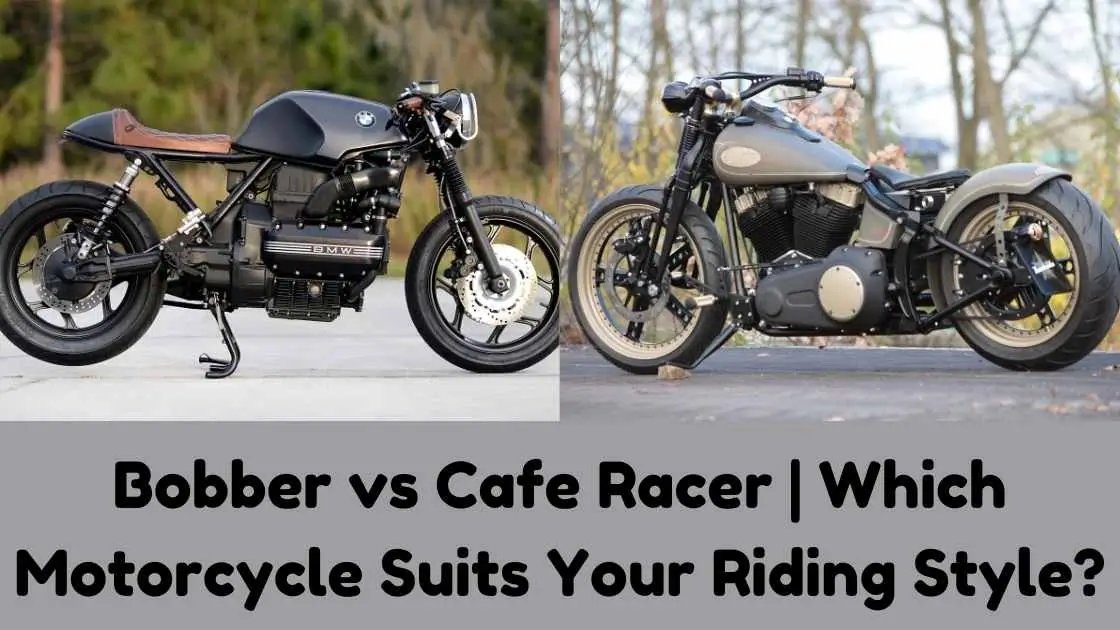
If you like motorcycles, you’ve probably heard of bobbers and café racers. These two types are popular in the world of custom bikes. Each has its own style, feel, and way of riding. But picking the one that’s right for you can be hard—especially if you don’t know how they differ.
Don’t worry, though. Whether you’re new to bikes or have been riding for years, this guide will help. We’ll talk about where bobbers and café racers come from, how they look, how they ride, and how you can customize them. So, sit back and let’s explore these two classic motorcycle styles.
History and Origins of Bobber and Cafe Racer
The history of bobbers and café racers is as cool as the bikes. Each style came from a cultural movement. They were shaped by a time, a place, and a group of people who loved riding, just like we do today.
The Birth of Bobbers: 1920s America
Bobbers started in the 1920s in the United States. Riders wanted their bikes to be lighter, faster, and simpler. So, they began removing extra parts like fenders and front brakes. This process was called a “bob-job,” and that’s where the term bobber came from.
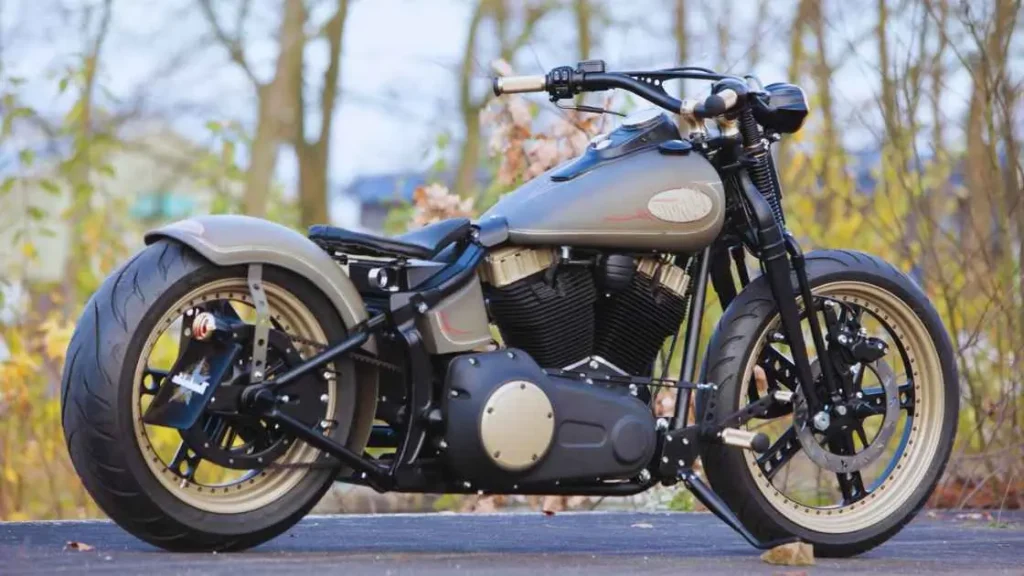
Harley-Davidson bikes were often used for bobbers. Soon, this tough, simple look became popular in the custom bike world. In the 1940s and 1950s, riders took it further. They built bikes to match their own style. These bikes were made for cruising. They were heavy, strong, and built for long, comfortable rides.
The Rise of Café Racers: 1950s Britain
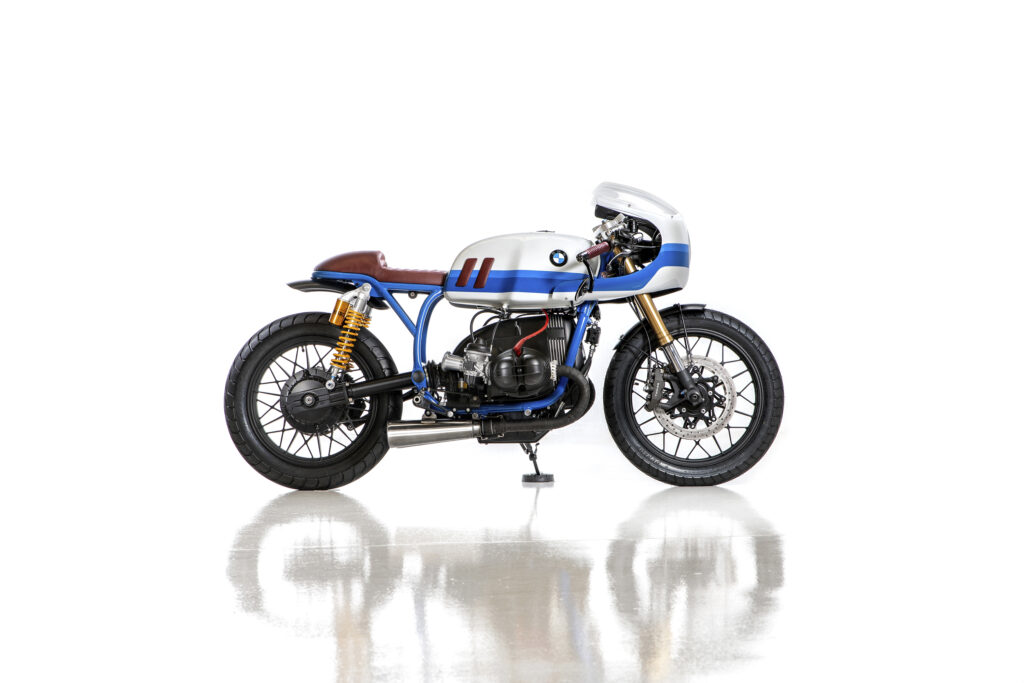
Now, let’s head over to Britain in the 1950s, after the war. Café racers started with the rebellious youth known as the Mods. These young riders wanted fast bikes. They would change their bikes to go faster for short rides between cafés. That’s why they’re called café racers. They often raced on bikes like the BMW Cafe Racer or Triumph models.
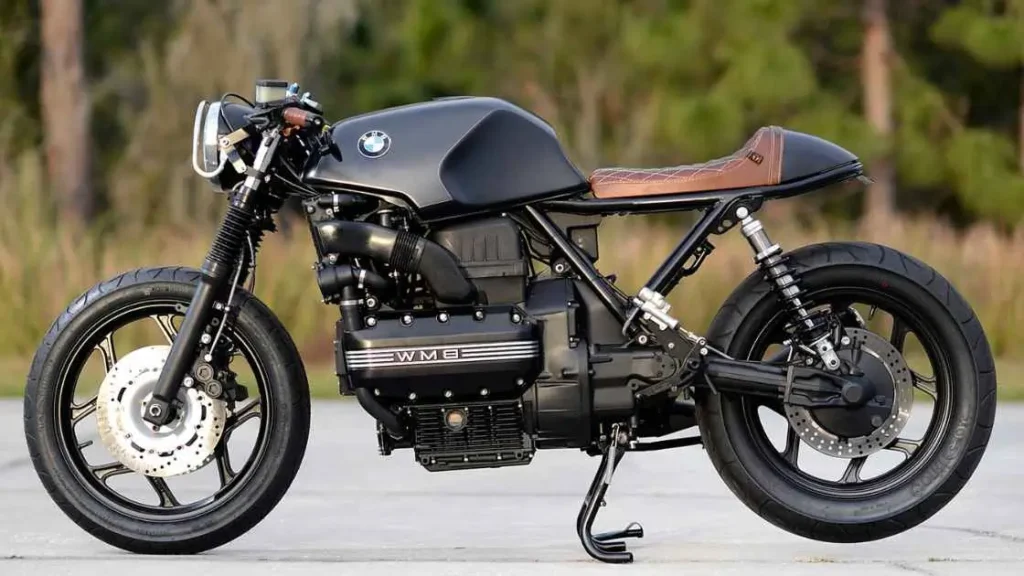
Café racers were different from bobbers. They were made for speed. Riders leaned low over their bikes with low handlebars and footpegs set to the back. The design was simple and light. Everything about the café racer focused on going fast, and its look was sporty and tough.
Aesthetic Differences: Vintage vs. Sporty
When it comes to looks, bobbers and café racers are very different. If you like a vintage, simple style, a bobber might be for you. But if you prefer a sleek, fast design, a café racer could be what you’re looking for.
Bobber Design
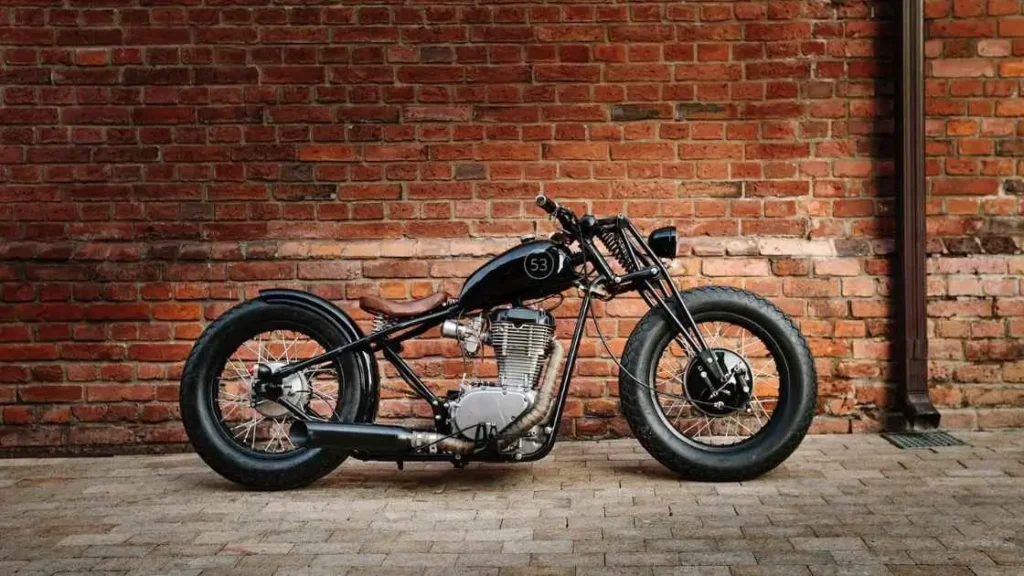
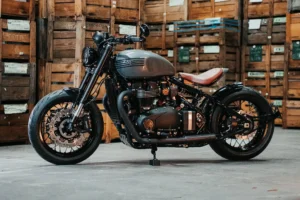
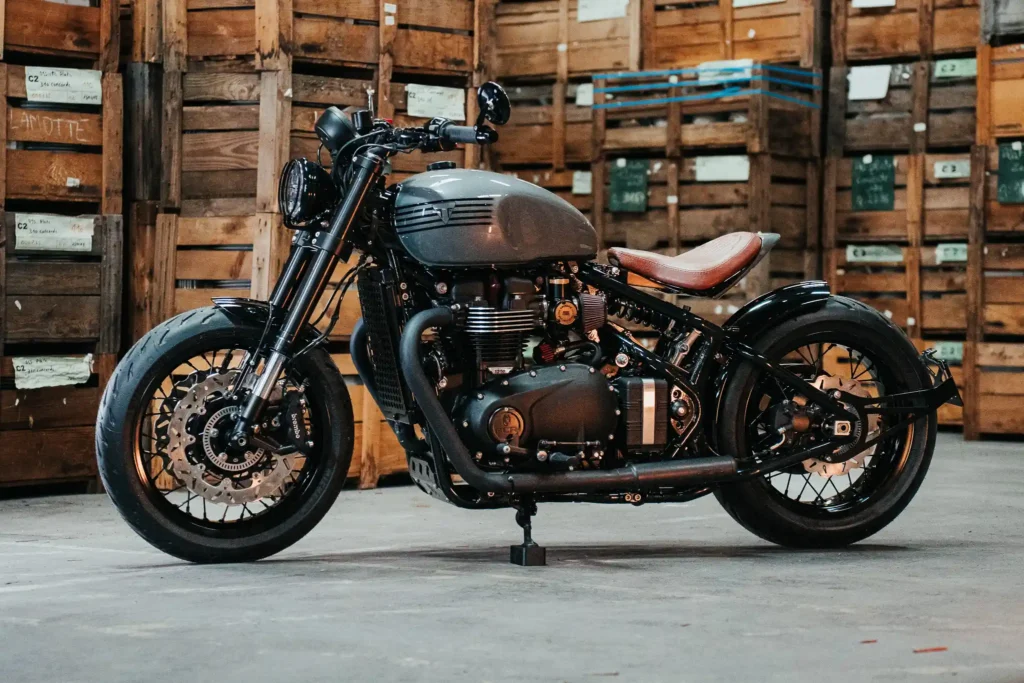
Bobbers are all about keeping things simple. Imagine a motorcycle with only the essentials—that’s a bobber. These bikes often have wide handlebars, a solo seat, and thick tires. The frame is usually rigid, also called a hardtail, giving a rough riding experience.
Bobbers have a low, squat look. The rear fender is often cut short, which gives the bike a chopped style. Many bobber fans like to keep the engine and frame exposed, adding to the tough, bare-bones look.
Café Racer Design
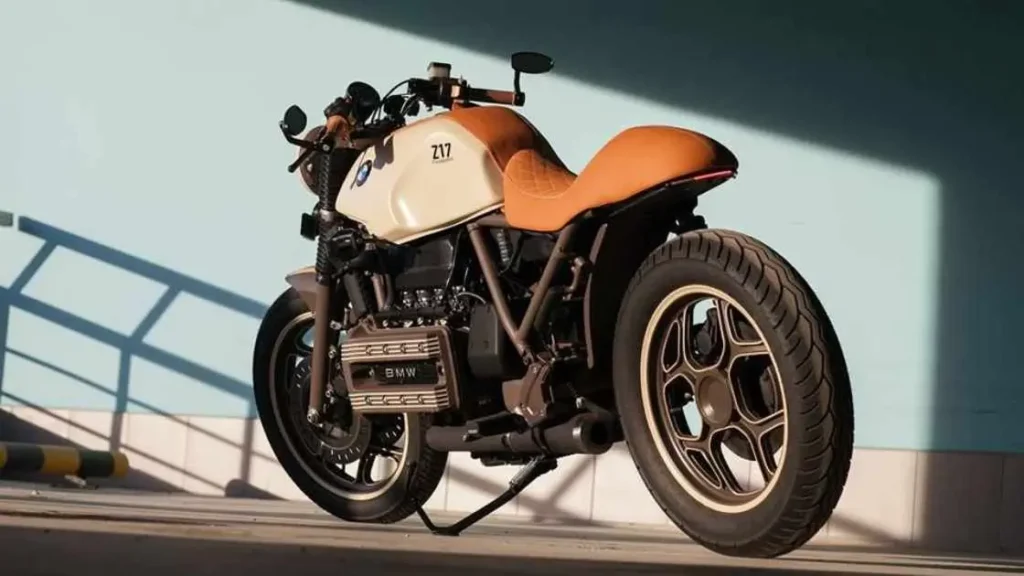
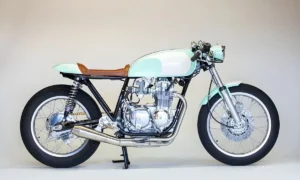
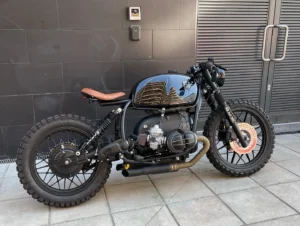
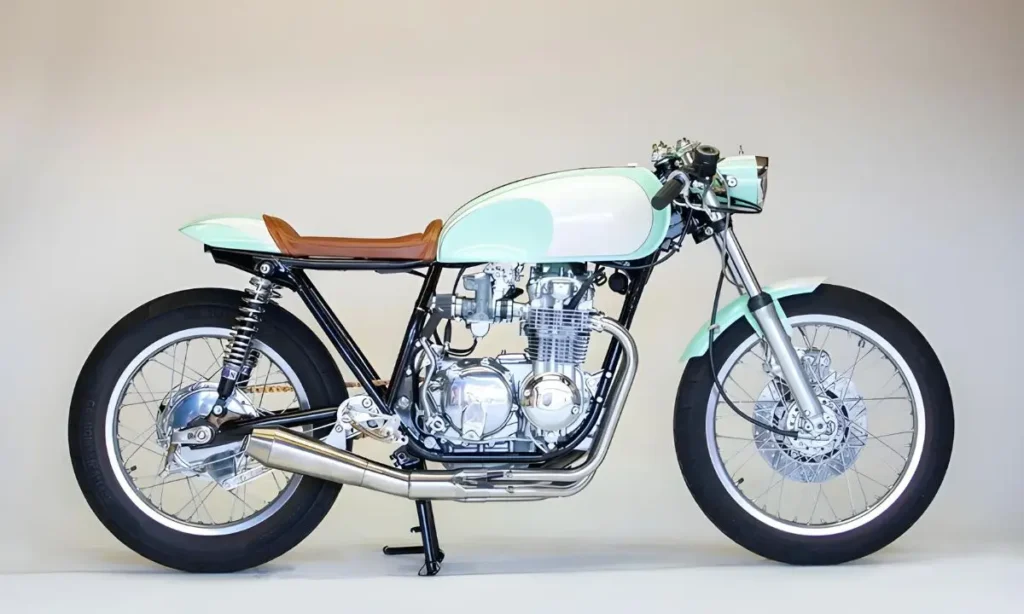
Café racers are designed to look fast, even when they’re not moving. These bikes have low handlebars, slim frames, and footpegs that make the rider lean forward. This riding position is often called “chin-to-tank.”
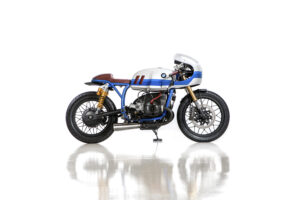
The BMW Café Racer is a good example of this style. It has a long, narrow gas tank, which makes it look more streamlined. The seat is also narrow, with a bump at the back to stop the rider from sliding during speed-ups.
Overall, a café racer looks simple but sporty. It’s built for speed and agility, not for comfort or long rides.
Performance and Handling: Agility vs. Comfort
Bobbers and café racers are very different when it comes to performance. Café racers are made for speed and quick moves. Bobbers are more about an easy, laid-back ride for cruising.
Café Racer Performance: Built for Speed
If you want a fast and agile bike, go for a café racer. These bikes were made for racing, and you can still feel that in how they ride. The low handlebars and rear footpegs make you lean forward, which is great for sharp turns and cutting through traffic.
Café racers are lighter than bobbers, so they handle curves and quick moves easily. These bikes are built for speed, whether you’re riding in the city or on highways. Brands like BMW and Triumph make some of the best café racers, known for their sharp handling and fast speeds.
One key feature of a café racer is the suspension, which is designed for performance. The shocks are stiffer than those on bobbers, so you have more control at high speeds. But this can make the ride less smooth on rough roads. If you like speed and don’t mind giving up a little comfort, a café racer is the bike for you.
Bobber Performance: A Smooth Cruiser
Bobbers are not made for speed. They are built for comfort and style. A bobber’s riding position is more relaxed, with wide or mid-set handlebars and footpegs placed forward. This lets you sit upright or lean back, which is good for long, easy rides.
Bobbers are heavier than café racers but still handle well, especially at lower speeds. They aren’t made for quick turns or fast speeds. They’re better for cruising around town or riding at a steady pace.
A key thing to know about bobbers is their hardtail suspension. Traditional bobbers have a solid frame with no rear suspension. This gives them a classic look but can make the ride rough, especially on bumpy roads. Many modern bobbers have a “softail” suspension to make the ride smoother while keeping the vintage bobber style.
Power and Torque Comparison
When it comes to power and torque, café racers usually win, especially for speed and quick starts. Their engines are tuned to respond fast, and they are lighter, which helps them speed up faster. Brands like BMW and Yamaha make café racers that are both quick and easy to handle.
Bobbers, however, focus more on torque at low speeds. This makes them great for slow, relaxed rides, where speed isn’t as important. You can think of bobbers like muscle cars—they have a lot of power, but they’re not made for racing.
Comfort and Usability: A Matter of Preference
Now, let’s talk about comfort. This is where bobbers and café racers are most different. Your choice depends on what kind of rider you are.
Bobber Comfort: Relaxed and Laid-Back
Bobbers are designed for comfort, especially in the way you sit. They have wide handlebars, and the footpegs are set forward. This means you sit upright or a bit leaned back. This is different from a café racer, where you lean forward. Bobbers are great for long rides or if you want to sit in a relaxed way on your bike.
But there’s a downside. Even though you sit comfortably, traditional bobbers don’t have rear suspension. This type of bobber is called a “hardtail.” On bumpy roads, you’ll feel every bump and hole, and it can be rough on long trips.
Luckily, many new bobbers, like the Indian Scout Bobber or Triumph Bonneville Bobber, have a softer suspension. This gives you a smoother ride while keeping the classic bobber style.
Café Racer Comfort: Sporty but Aggressive
Café racers are not known for comfort, especially on long rides. The low handlebars and rear-set footpegs make you lean forward. This is good for speed, but not for your body on long trips.
Café racers are best for short, fun rides in the city or on twisty roads. You can really feel how quick and light the bike is. But if you ride for hours, your wrists, neck, and back may start to hurt.
In short, café racers give a fast, sporty ride, but they’re not made for long trips. If you don’t mind giving up some comfort for better performance, a café racer might be right for you.
Customization Potential: Creating Your Dream Bike
One big reason people like bobbers and café racers is how easy they are to customize. Whether you’re starting from scratch or changing an old bike, both styles let you make the bike your own. But the way you customize a bobber is different from how you customize a café racer.
Customizing a Bobber
Bobbers are all about keeping things simple. The main idea behind customizing a bobber is removing anything you don’t need. If you like DIY projects, building or changing a bobber can be a lot of fun. It’s all about making something unique with your own hands.
Most bobbers start with a cruiser-style bike, like a Harley-Davidson or a Triumph Bonneville. Once you pick your bike, the changes begin. The first thing to go is usually the front fender, and the back fender gets shortened. This is why it’s called a “bobber.” Many riders also swap the seat for a solo spring seat, which gives the bike a classic, old-school look.
Bobbers often have ape hanger handlebars, which give the bike a cool, relaxed style. The exhaust is another area where people like to customize. Many riders replace the factory exhaust with louder ones or use straight pipes to get a deeper, more powerful sound. Custom paint, new lights, and tires are other popular changes. Many people choose thick whitewall tires to complete the vintage look.
The best part about customizing a bobber is that there’s no “right” way to do it. It’s all about your personal style. You can keep it simple or add shiny details and retro accessories. The options are endless.
Customizing a Café Racer
Bobbers are all about looks, but café racers focus on performance. When customizing a café racer, the goal is to make the bike fast, light, and easy to handle. Most café racers start with a standard or sport bike, like the BMW R100, because it is light and performs well.
The first thing builders usually change is the handlebars. They install clip-ons to lower the rider’s position and improve speed. The seat is also important. Most café racers have a single seat with a “bum stop” at the back to keep the rider in place during fast rides.
The gas tank is slim and long to help with the bike’s aerodynamic design. Some people even change the frame to get a straight-line look from front to back. Suspension upgrades, high-performance tires, and engine changes are common for riders who want better handling and speed.
Building a café racer is about improving the bike’s performance while keeping it sleek and sporty. Riders often add custom exhausts, better suspension, and high-performance air filters to boost power and agility. Like bobbers, café racers also feature custom paint jobs and other fun details.
Whether you want a stripped-down bobber or a fast café racer, both styles offer lots of ways to customize your bike. The best part is that you can build something that’s truly yours.
Popular Models and Builds
If you’re excited to start customizing your own bike, the next question is: where do I begin? Both bobbers and café racers have popular models that are great for customization. Let’s look at a few fan favorites.
Popular Bobber Models
- Harley-Davidson Sportster: A classic choice for bobber fans. The Sportster’s cruiser frame makes it perfect for bobbing. Its strong, reliable engine is great for custom builds.
- Indian Scout Bobber: This bobber from Indian is ready to ride out of the box. It looks and feels like a bobber, but there’s still room to add custom parts.
- Triumph Bonneville Bobber: Another factory-built option with a classic bobber look and modern reliability. Its low design, single seat, and open frame make it ideal for customization.
Popular Café Racer Models
- BMW R100 Café Racer: The BMW R100 is a popular choice for café racers. Its light frame and strong engine make it great for performance upgrades. Its classic look also fits well with the café racer style.
- Yamaha XSR900: This modern bike mixes retro style with modern performance. It’s a good option for riders who want the café racer look but also want modern power and reliability.
- Triumph Thruxton: The Triumph Thruxton is a café racer straight from the factory. It has the sleek design and speed of a café racer without needing big changes. However, there are still many ways to customize it.
Price Comparison: What’s the Cost of Building a Bobber vs. a Café Racer?
When building or buying a custom bike, price is a big factor. Whether it’s a bobber or a café racer, the cost can vary a lot. It depends on the bike you choose, how much you customize, and the quality of the parts. Let’s break it down so you know what to expect.
Cost of Building a Bobber
Bobbers can be cheap or expensive, depending on how much you customize. The good news is that the idea behind bobbers—removing extra parts—can save you money. Fewer parts mean fewer costs, right? Well, that’s true, but only up to a point.
Here’s a rough estimate of the costs for building a bobber:
- Base Model: If you start with a Harley-Davidson Sportster or a Triumph Bonneville, you can spend between $5,000 and $12,000 for a used bike. New models will cost more, around $10,000 to $15,000 for something like the Indian Scout Bobber.
- Customization Costs: After buying the bike, you’ll need to consider the cost of custom parts like ape hanger handlebars, a solo seat, a custom exhaust, or even a new paint job. These changes can range from $1,000 to $5,000 or more, depending on how much you customize.
In total, building a bobber can cost anywhere from $6,000 to $20,000. The good thing is that you can control how much you spend, based on how you want the bike to look and perform.
Cost of Building a Café Racer
Café racers, on the other hand, are often a little more performance-focused, which can drive up the costs. While the stripped-down nature of a café racer might suggest it’s cheap to build, performance modifications like suspension upgrades, custom exhausts, and engine tuning can quickly add to the price.
Here’s a breakdown of the costs:
- Base Model: A café racer build often starts with a classic standard bike like the BMW R100 or a Yamaha XSR900. Used models can range from $4,000 to $10,000 depending on the make and condition. Newer models like the Triumph Thruxton can set you back $12,000 to $15,000 if you want something that already leans toward café racer styling.
- Customization Costs: Café racer mods tend to focus on performance, so you’ll likely be looking at costs for clip-on handlebars, suspension upgrades, rear-set footpegs, custom seats, and possibly engine upgrades for added power. Expect to spend another $2,000 to $6,000 for quality parts and labor, especially if you want high-performance components.
All in all, building a café racer can cost between $6,000 and $22,000. The range is similar to bobbers, but café racers might edge out a bit more in total cost if you’re going for performance over aesthetics.
Buying Pre-Built Models
If you don’t like building bikes yourself, you can buy ones that are already made. Factory bobbers, like the Indian Scout Bobber or the Triumph Bonneville Bobber, usually cost between $10,000 and $15,000. Pre-built café racers, such as the Triumph Thruxton or BMW R nineT Racer, are priced around $12,000 to $17,000.
While these pre-built bikes cost more at first, they save you time and the trouble of building one yourself. Plus, you get a warranty, which is something you don’t get with a custom-built bike.
Who Should Choose a Bobber vs. a Café Racer?
You might be wondering, “Which bike is right for me?” It depends on how you like to ride, what you like, and how you plan to use your bike.
When to Choose a Bobber:
- You like the old-school, simple look.
- You prefer a relaxed, laid-back ride, perfect for cruising.
- You want a bike that’s easy to change and doesn’t need many upgrades.
- You’re okay with giving up some speed and handling for comfort and style.
- You like classic American bikes, like Harley-Davidson or Indian.
When to Choose a Café Racer:
- You love speed and quick moves. You want a fast, responsive bike.
- You like a sporty, aggressive riding position, great for short rides.
- You enjoy working on upgrades like the suspension and engine.
- You appreciate a sleek, simple design that looks like a racer.
- You prefer European brands like BMW, Triumph, or Ducati.
In short, bobbers are great for cruising in style, while café racers are for riders who love speed and agility. If comfort and looks matter most, choose a bobber. If speed and performance are your focus, go with a café racer.
Bobber vs. Café Racer – Which One Is Right for You?
In the end, choosing between a bobber and a café racer depends on what you want in a motorcycle. Bobbers are for people who like a vintage, simple look. They focus on comfort and style. Bobbers are great for cruising, giving you a relaxed ride with a cool, stripped-down design. If you like customizing your bike to match your own style, a bobber gives you many chances to make it unique.
Café racers, on the other hand, are all about speed, performance, and handling. These bikes are for riders who want a sporty and fast experience. With their low handlebars, high footpegs, and sleek look, café racers are made for quick rides through city streets or winding roads. If you want a bike that puts performance first and don’t mind giving up some comfort for speed, a café racer might be right for you.
Both bobbers and café racers offer a special mix of style and performance. They also give you the chance to customize them. Whether you’re cruising on a bobber or speeding on a café racer, the ride will always be unforgettable.
FAQs
Can I turn my current motorcycle into a bobber or café racer?
Yes! Many riders change their motorcycles into either a bobber or a café racer. For a bobber, it’s best to start with a cruiser-style bike. A café racer is usually built from a standard or sport bike. Customizing means changing parts like the handlebars, seat, fenders, and sometimes the engine, suspension, and tires.
Are bobbers or café racers better for beginners?
Both can be good for beginners, but it depends on the model and engine size. Bobbers have a more comfortable ride, which may be easier for new riders. Some café racers are light and easy to handle, which is good for beginners who want performance. If you’re just starting, look for smaller engines (around 300cc to 500cc).
What’s the best motorcycle brand for a café racer or bobber build?
For café racers, BMW, Triumph, and Yamaha are great choices. Popular models include the BMW R100 and Triumph Thruxton. For bobbers, Harley-Davidson, Indian, and Triumph Bonneville are loved by many. These brands offer models that are perfect for customizing.
How much does it cost to build a bobber or café racer?
The cost depends on the bike and how much you customize. Bobbers usually cost between $6,000 and $20,000. Café racers can cost between $6,000 and $22,000, especially if you focus on performance upgrades.
Are bobbers and café racers comfortable for long rides?
Neither is really made for long trips. Bobbers are more comfortable because of their upright riding position, but the lack of rear shocks can make rough roads tough. Café racers, with their sporty riding position, are less comfortable for long rides. Both are better for short, fun rides.